This is a living culture
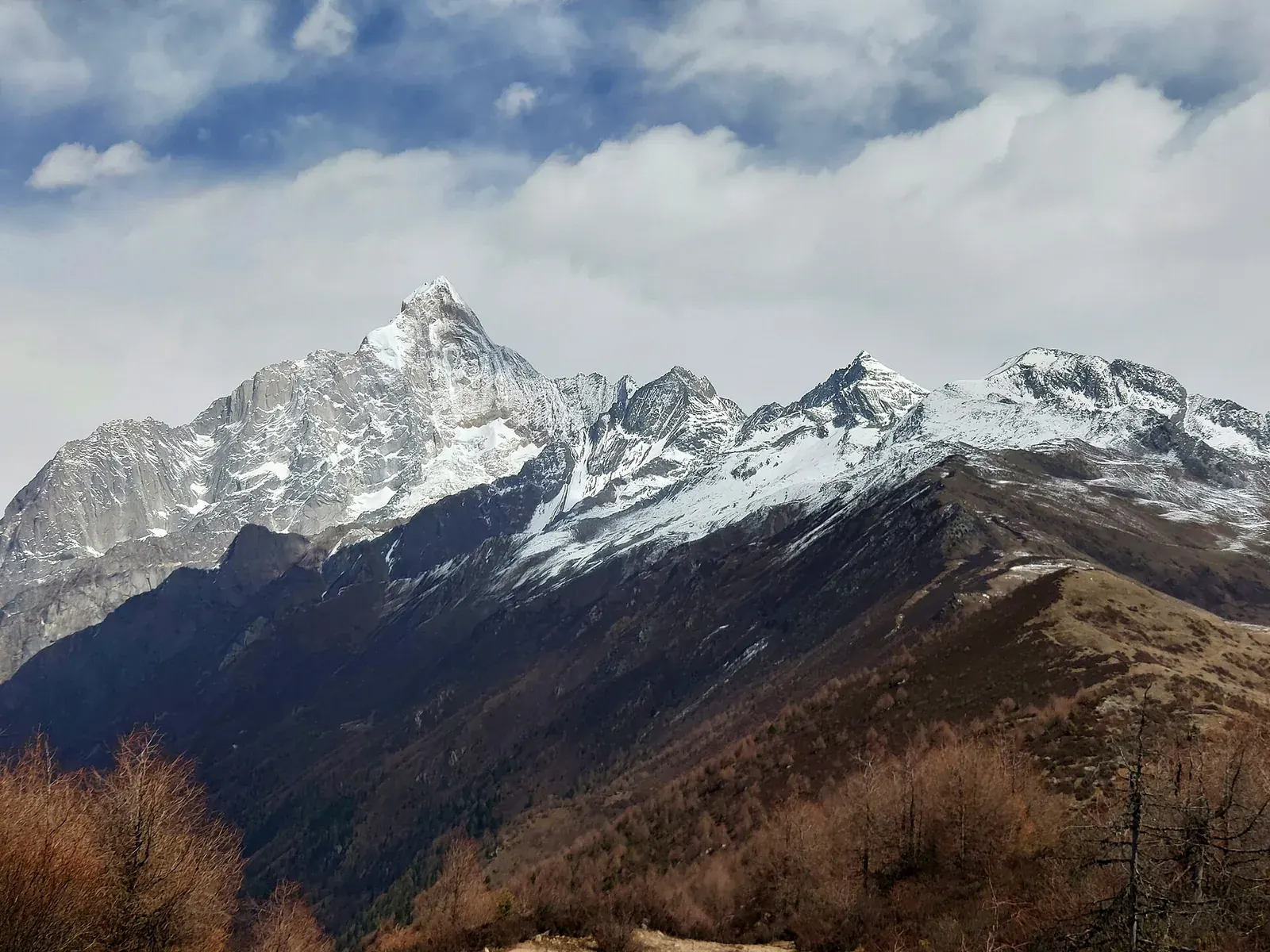
Tagong, Danba, Kangding and Yading are part of Kham, the Tibetan east. These are not theme parks or preserved villages; people live, work, pray and raise families here. The first rule is simple: ask before you photograph, enter or assume. A smile and a gesture toward your camera is usually enough, and a “no” is a complete answer.
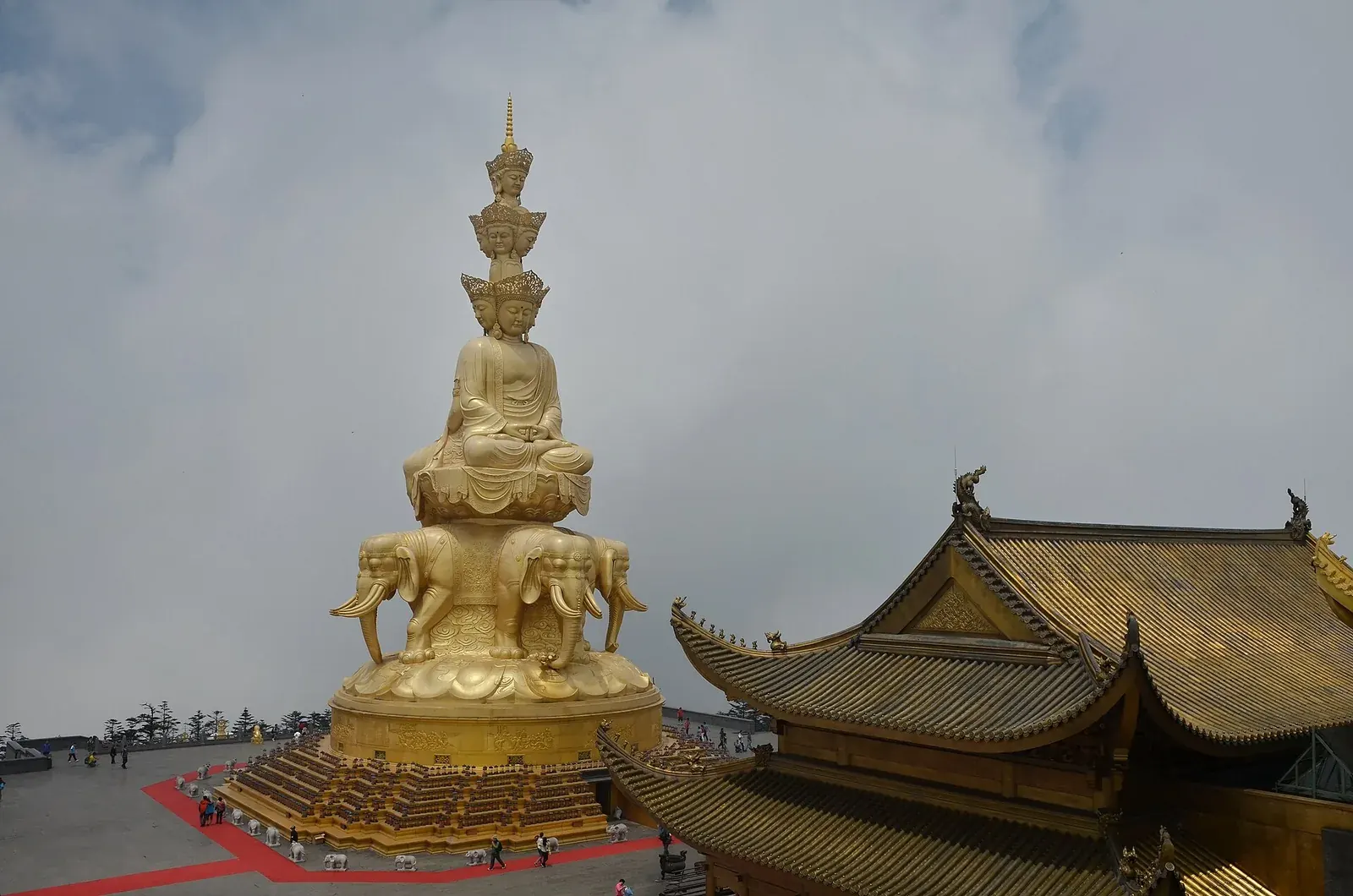
Dress modestly at monasteries: cover shoulders and knees, remove hats inside, and avoid bright, tight clothing that turns worship into a backdrop. Walk clockwise around monasteries, stupas and prayer-wheel lines unless a sign says otherwise. Do not touch statues, thangkas or ritual objects without permission.
Inside a monastery
Keep your voice low, do not point at statues or monks, and do not sit on the raised seats reserved for teachers. If a ceremony is in progress, stand at the back or wait outside; do not walk through the middle of the rows. Photography inside the prayer hall is often prohibited, even if it is allowed in the courtyard. Look for signs or ask.
Offerings are optional. If you want to leave one, a small amount at the altar or in the donation box is fine; do not press money into a monk’s hands. Do not turn prayer wheels backwards, and do not step over thresholds or ritual objects. These are small gestures, but they matter.
- Walk clockwise around monasteries and stupas
- Cover shoulders and knees; remove hats indoors
- Ask before photographing people or ceremonies
- Never attend a sky burial
“The best trips here are not built from a checklist. They come from a long lunch, a wrong turn, a guide who knows which gate to use.”
In villages and on the grassland
Ask before entering a courtyard, a nomad tent or a family home. If you are invited in, accept tea or food with both hands or your right hand, and take a small sip even if you do not love butter tea. Do not photograph children without a parent’s permission, and do not hand out sweets or money as if people were exhibits.
Horse riding and nomad experiences should be arranged through a local guide or guesthouse, with a clear price and route agreed first. Do not ride into a herd, chase animals for a photo, or drive off the road onto grassland. The land is used for grazing, and the tracks are not always obvious.
Permits and checkpoints
Kham is not the Tibet Autonomous Region. A TAR tour permit is normally required for Lhasa and other TAR destinations, but not for ordinary visits to Kangding, Tagong, Danba or Yading in Garzê. That distinction matters: do not buy a “Tibet permit” for a Sichuan itinerary, and do not assume a Sichuan route gives you access to the TAR.
Rules and checkpoints can still change, especially on remote roads. Carry your passport, keep hotel bookings handy, and ask your host or guide about current local registration. Some monasteries and villages have their own photography or entry rules; those are separate from any government permit.
- Kangding, Tagong, Danba, Yading — Garzê, not the TAR
- Carry your passport on every mountain road
- Ask locally about checkpoints and village rules
- Never assume a permit for one region covers another
The difficult topics
Sky burials are a funerary practice, not a tourist attraction. Do not ask to attend, do not photograph from a distance, and do not fly a drone near a burial site. If you come across a site, turn away and keep moving.
Politics and religion can be sensitive. You do not need to pretend to understand everything; listen more than you speak, and avoid treating monks or villagers as sources of political commentary. The best visits are curious, quiet and reciprocal. Buy tea, stay in family guesthouses, hire local guides, and let the encounter be about people rather than a photograph.
Ask first, dress modestly, walk clockwise and never treat a ceremony or a funeral as content.