The numbers that matter
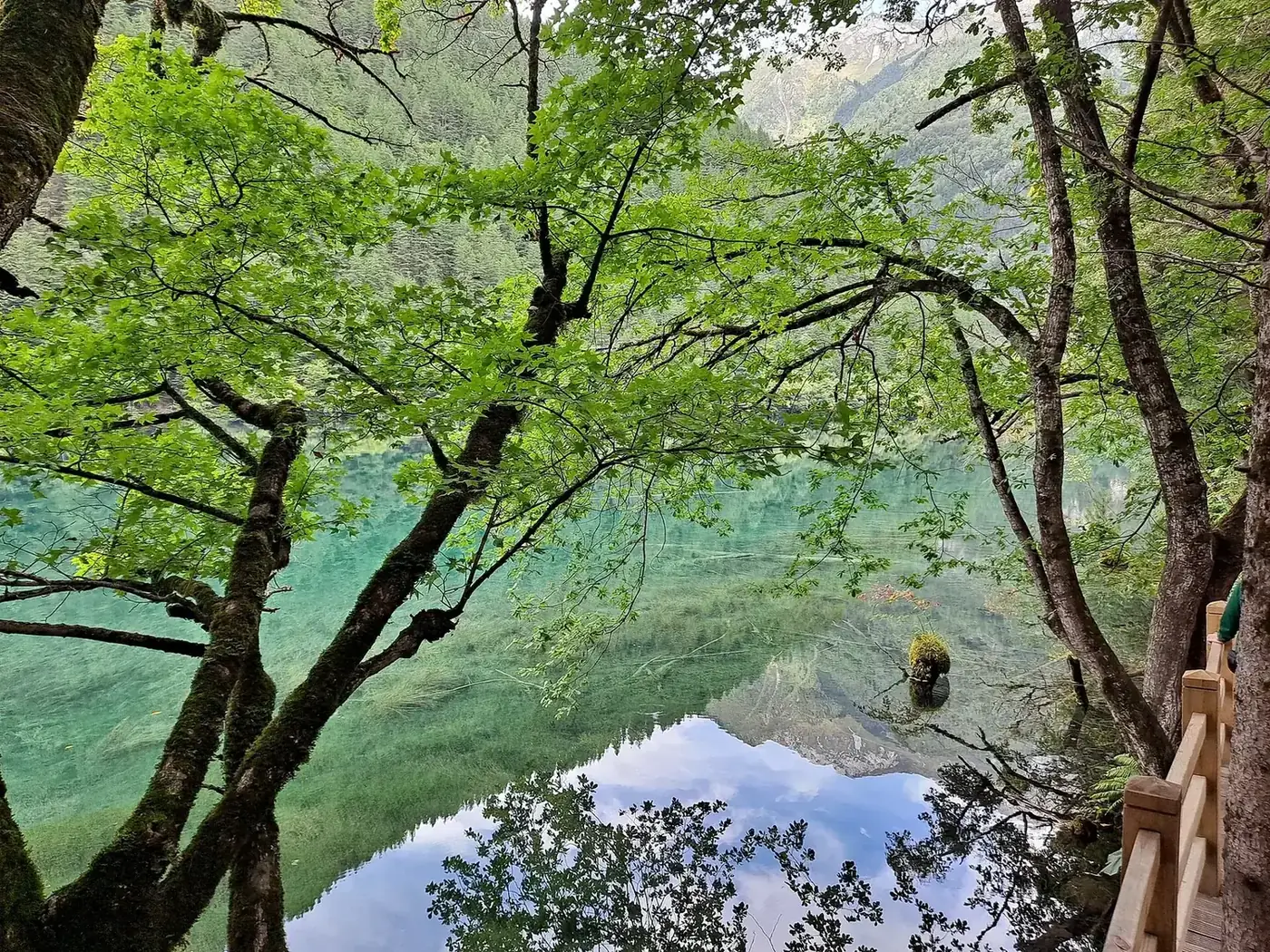
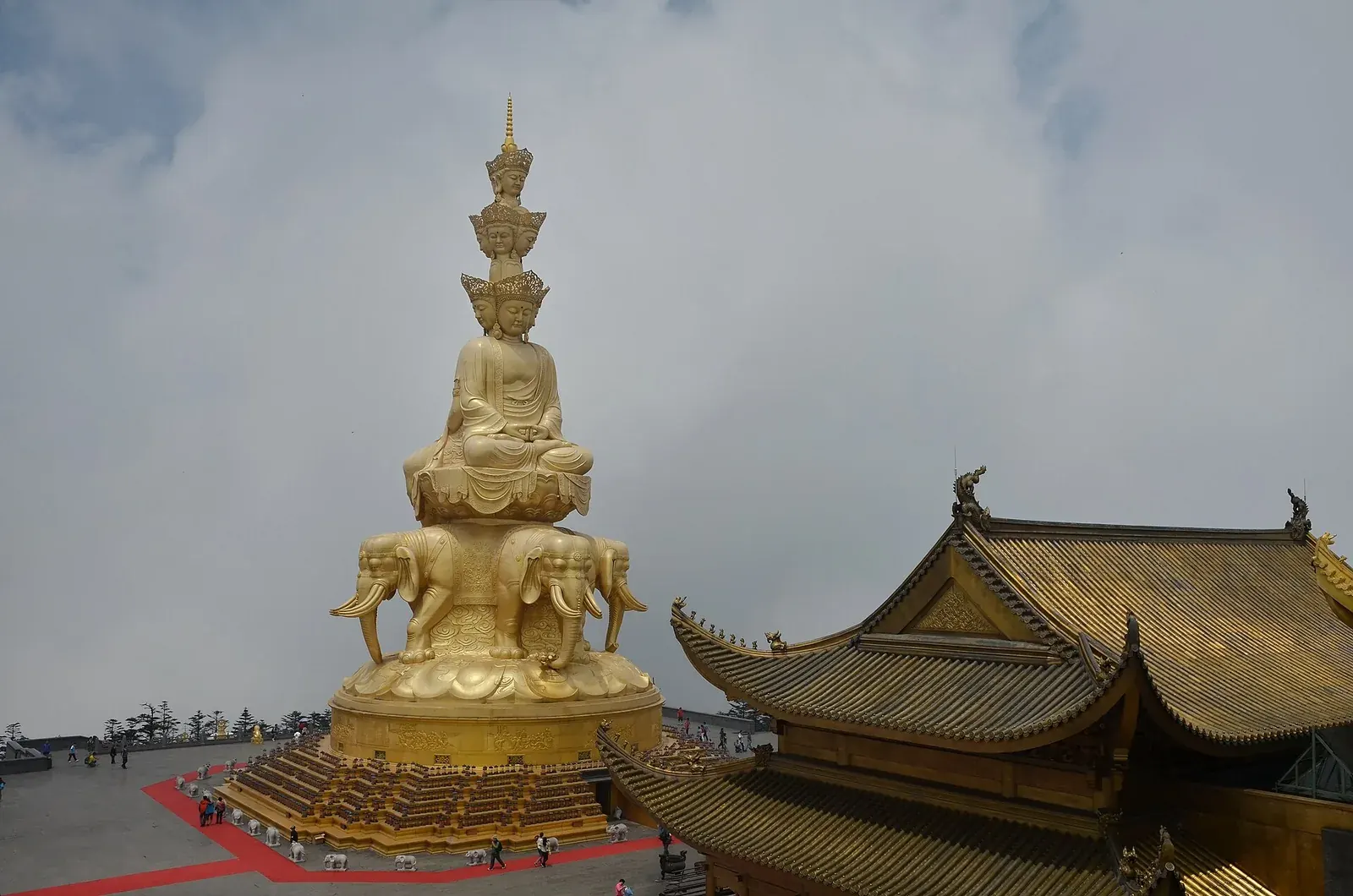
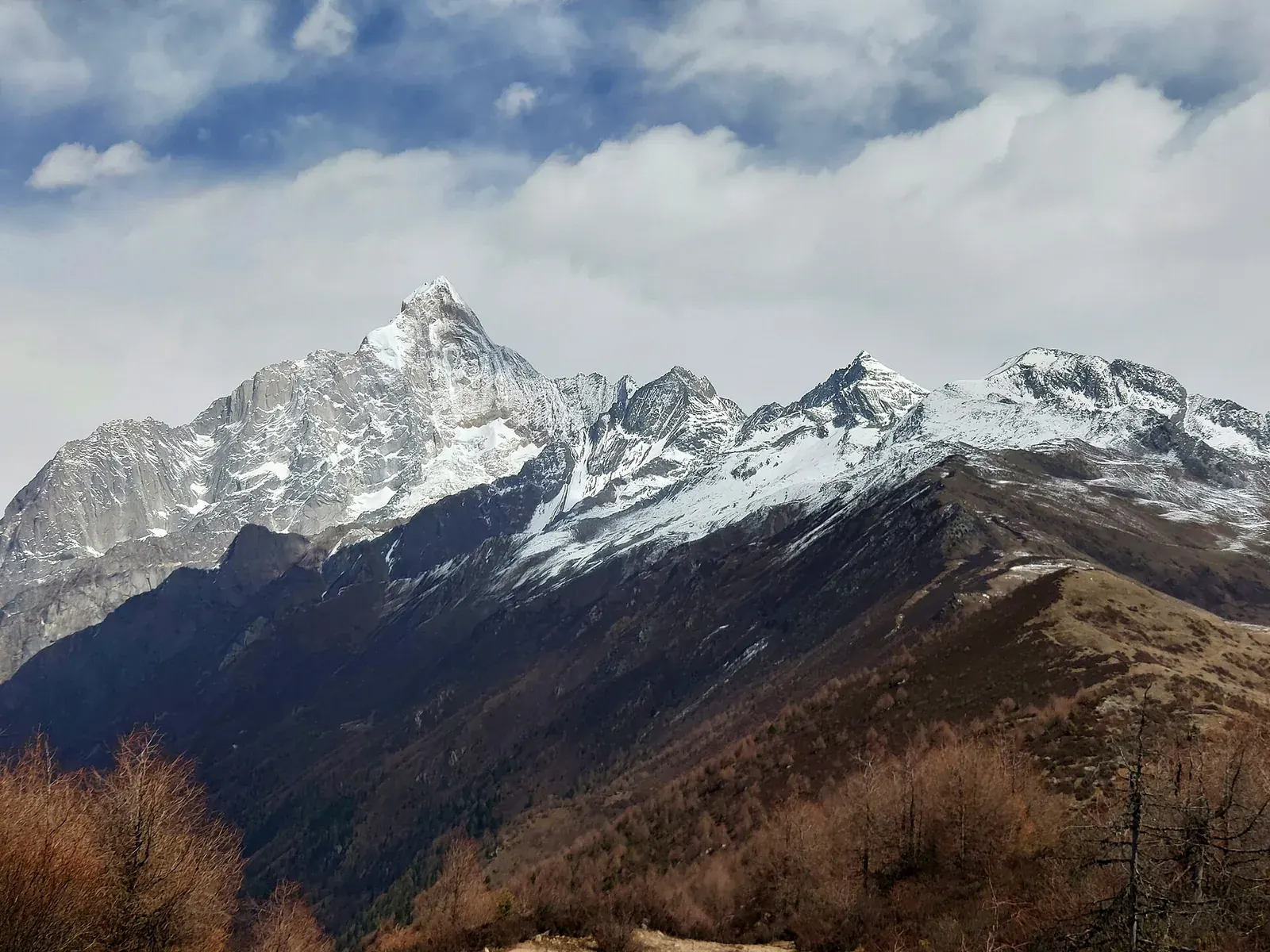
Sichuan is a province of vertical change. Chengdu sits at about 500 m; Emei’s Golden Summit is 3,099 m; Jiuzhaigou’s gate is 2,000 m and its Long Lake 3,100 m; Huanglong is 3,200–3,600 m; Rilong, at the foot of Siguniang, is 3,200 m; Tagong is 3,700 m; Kangding’s Zheduo Pass is 4,298 m; Yading’s gate is 2,900 m, but its sacred lakes are above 4,500 m.
Altitude illness is not about fitness. Fit travelers get it, and unfit travelers sometimes do not. What matters is how fast you ascend, how high you sleep, how you feel, and whether you are willing to turn back. Young children, pregnant travelers and people with heart or lung conditions should get medical advice before going above 3,000 m.
A sensible ascent
Do not fly from Chengdu to Yading and hike the same day. The airport is at 4,411 m, and the shock is real. A better pattern is Chengdu (500 m) → Kangding (2,560 m) → Tagong (3,700 m) → Riwa (2,900 m) → Yading valley. Sleep low where you can, and give yourself a full day at each new height.
For Jiuzhaigou, two nights at 2,000 m before Huanglong is enough for many travelers. For Siguniang, sleep in Rilong at 3,200 m and keep the first day gentle. For Emei, the cable car takes you to 3,000 m in minutes; walk slowly at the summit even if you feel fine.
- Ascend gradually — no direct flight to a high trailhead
- Sleep lower than your highest point when possible
- Drink water, eat, and avoid alcohol on arrival day
- Descend if symptoms get worse — do not “wait it out”
“The best trips here are not built from a checklist. They come from a long lunch, a wrong turn, a guide who knows which gate to use.”
Know the symptoms
Mild acute mountain sickness feels like a hangover: headache, nausea, dizziness, poor sleep, loss of appetite. Stop, rest, drink water and do not go higher. If the headache does not respond to simple pain relief, or if you develop vomiting, confusion, breathlessness at rest or a cough, descend and seek medical help. High-altitude cerebral or pulmonary edema is rare but serious.
Talk to a travel doctor before you leave about acetazolamide and whether it is appropriate for you. Do not rely on oxygen cans as a substitute for acclimatization. They can help a headache, but they do not solve the underlying problem. Travel insurance should cover evacuation from remote areas; check the altitude limit before you buy.
The honest version
The most beautiful places in Sichuan are high, and the body needs time. Build a buffer day into your itinerary. If you have only a week, choose one high area rather than three. If you feel unwell, say so early — to your guide, your driver, your travel companion. The mountain will still be there.
A slow ascent is not a compromise. It is the difference between a trip you remember and a trip you endure. The tea tastes better at 3,000 m when you have walked there slowly.
Never sleep more than 500–600 m higher than the previous night if you can avoid it, and descend early if symptoms worsen.